Scope
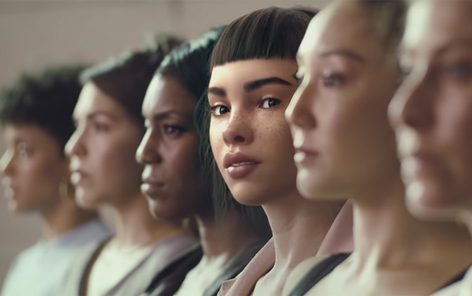
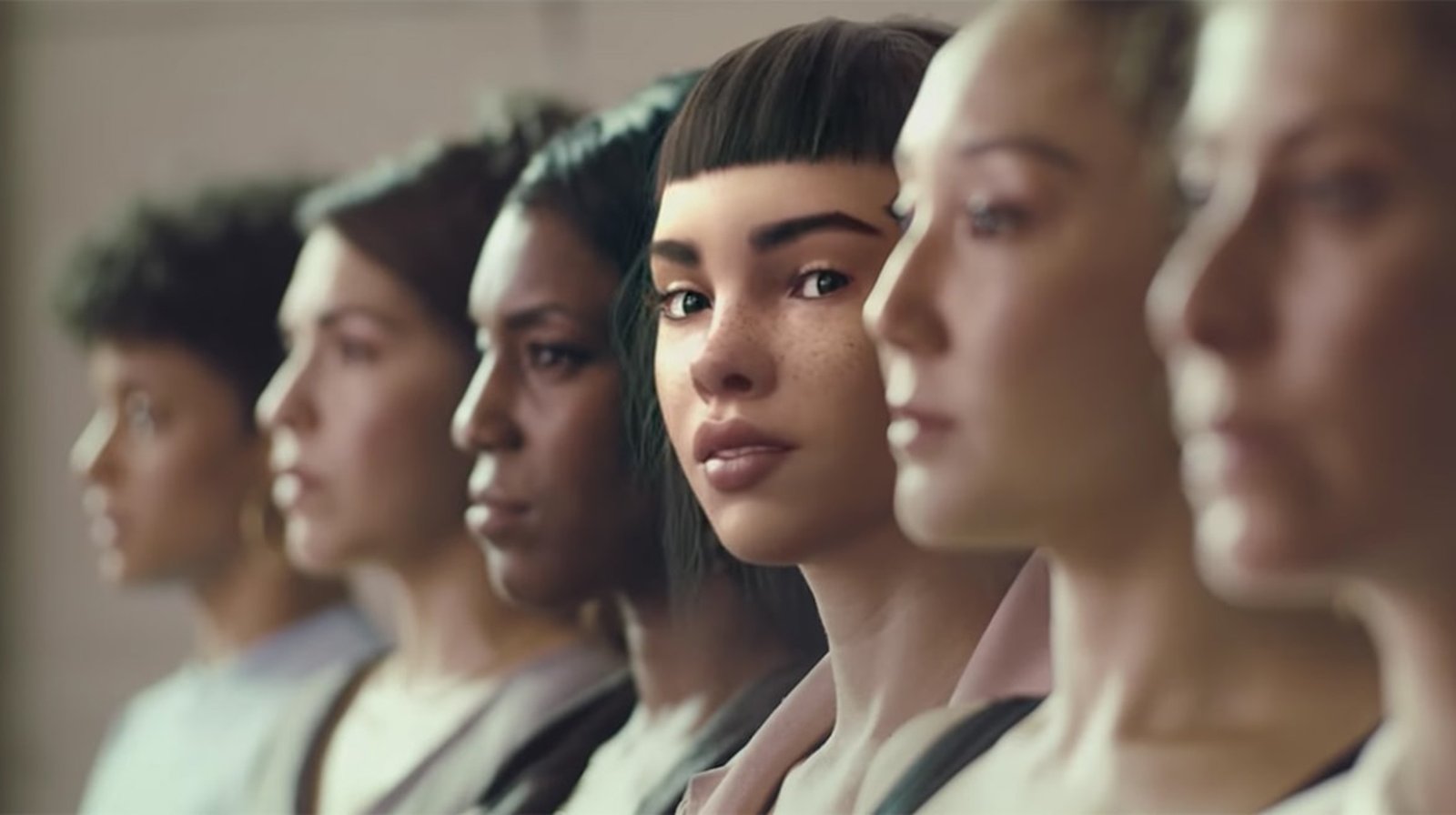
With her CGI shades, rendered freckles, and digital friends, virtual influencer Lil' Miquela has been challenging ideas of human authenticity on Instagram since 2016. But she is not the first CGI celebrity — hologram J-pop star Hatsune Miku emerged in 2007 — and she will certainly not be the last. Several non-human influencers are already making moves towards the mainstream through online communities with their own unique cultures. There are even bands, like virtual K-pop group K/DA and heavy metal outfit Pentakill, that have arisen out of the League of Legends video game.
While Miquela's flawless appearance is one part of her appeal, her creators at LA-based start-up Brud have formed a full narrative ecosystem to build their influence. They've recognised that the entertainment and influencer markets are merging as people indulge in stories that straddle the real and digital worlds. But what does this new era of inauthenticity mean for consumer-brand relationships? And how are companies adapting in the ever-changing influencer marketplace?
Inauthenticity as a Call for Authenticity
"The question isn't 'is this person genuine?' It's 'can I relate?'" says Andrea Graham Richeson, a consumer anthropologist and youth culture researcher at Youth Tribes. "As human beings, we have a tremendous capacity for developing emotional connections to fictional characters. We look at other objects or beings and seek a reflection of ourselves, of who we are and who we want to be."
In this light, there's an argument that Miquela may be just as influential as a living person — or perhaps more so since she transcends the usual contentions with human influencers. Though they may take on human form, CGI characters have the advantage of easily navigating the chasm between having to sell products and having to be authentic.
"If you strip away all the hype over the technology behind the increasingly realistic or even indistinguishable CGI characters and AI personalities, what's left is the universal human desire to seek familiarity and inspiration within the other — real or unreal."
Andrea Graham Richeson, Consumer Anthropologist
Miquela's founders used this knowledge to create drama and hype around the reveal of her non-human nature, with the character communicating vulnerability in an Instagram post attacking her "managers" at Brud. By doing so, Miquela and Brud effectively mocked countless inauthentic human influencers, with the publicity netting the start-up millions in investment. Brud's use of an AI-style character within the influencer industry is disruptive, ensuring that the human opposition appears gauche.
Brands Re-emerge as the Storytellers
Social media platforms are riddled with inauthentic content and bots that make it difficult for people to know whether who they are following is real. Because of this, the influencer industry may be in trouble. Some brands are grappling with issues of fake followers, off-message influencers, and poorly crafted content resulting in subpar ROI. Others are proactively trying a new strategy, embracing narrative-driven campaigns — sometimes led by CGI characters — to rebuild consumer relationships.
"We actually don't care much for the influencers as individuals," says Gil Eyal, CEO and co-founder of Hypr. "We think influencers are a commodity in that they're all replaceable. You realise that one influencer has another 1,000 influencers that can achieve the same results."
Brands are more successful in maintaining a cohesive message as there are fewer variables between them and their story. With larger budgets, brands sustain consumer interest through more intricate and strategic campaigns backed by trained professionals who can produce content at a pace unmatched by individual influencers.
"CGI influencers are the perfect avatars for these tasks," says Richeson. "They have no individual agency, they're always on brand, their messaging can be changed at will, and unlike real celebrities, they never tire, get cranky or age, or forget to use the right hashtags."
Insights & Opportunities
Despite the growth of influencer marketing — global ad spend on this segment was forecast to reach $5–10 billion by 2020 — the process of finding a human influencer that matches a brand persona is difficult. An AI influencer reduces the uncertainty by culling unnecessary moving parts within the marketing process and may allow a brand's message to reach its destination with little impediment upon the original vision.
"There's no fear that Miquela is going to get a DUI, no fear that she isn't going to show up on the day she is needed. There is no issue with her time because she is potentially infinite in number," says Eyal.
Gen Zers care about authenticity online. By revealing the laziness and insincerity of content online and the apparent decrease in meaningful engagement with web users, Miquela is consolidating the narrative once again into the hands of larger brands who are able to sustain the realities people now crave.
"Miquela furthers the commodification of the influencer space, because any talented graphic designer can quickly create a Lil' Miquela. There isn't any real technology here — it's just the people behind it that are looking at trends and posting something."
Gil Eyal, CEO of HYPR
This speaks to the reality that Miquela is merely an optimisation of narratives in line with the needs of an emerging generation. Miquela could provide a blueprint for brands looking to harness the power of avatars, demonstrating how a strong and complex story in the right hands can engage audiences even if the storyteller isn't a real person.
- Interview with Andrea Graham Richeson conducted by author
- 'How brands can improve influencer marketing to remain in touch with consumers', Forbes (October 2018)
- 'LilMiquela's hack taps into multichannel storytelling', Canvas8 (April 2018)
- 'Are Instagram stars facing a brand backlash?', BBC News (June 2018)
- 'Instagram influencer apologizes for using stock and Pinterest images', Digital Photography Review (June 2018)
- 'Content called out; 47% of consumers fatigued by repetitive influencers', Bazaarvoice (August 2018)
- 'Three trends shaping the future of influencer marketing', Chief Marketer (January 2018)
- Interview with Gil Eyal conducted by author
- 'The influencer marketing industry global ad spend: A $5–$10 billion market by 2020', Mediakix (March 2018)
- 'Celebrity influencers command huge sums from brands', Warc (August 2017)
- 'There's a generation below millennials and here's what they want from brands', CNBC (April 2018)
Written for Canvas8 by Zach Soudan as a behavioral analyst.